Homeowner's Guide to finding trusted paving services in Beacon
Homeowner's Guide to finding trusted paving services in Beacon
Blog Article
Professional Paving Contractor for Enduring Driveways and Roads
Selecting a trustworthy paving contractor is crucial for constructing durable pavements and thoroughfares. Careful choice ensures longevity and quality in asphalt work. Elements such as credentials, client reviews, and technical knowledge significantly impact the outcome. Understanding the nuances of pricing and aftercare can further enhance the decision-making process. As property owners consider their options, multiple important factors demand thorough assessment to secure a acceptable investment. What should they emphasize in their search?
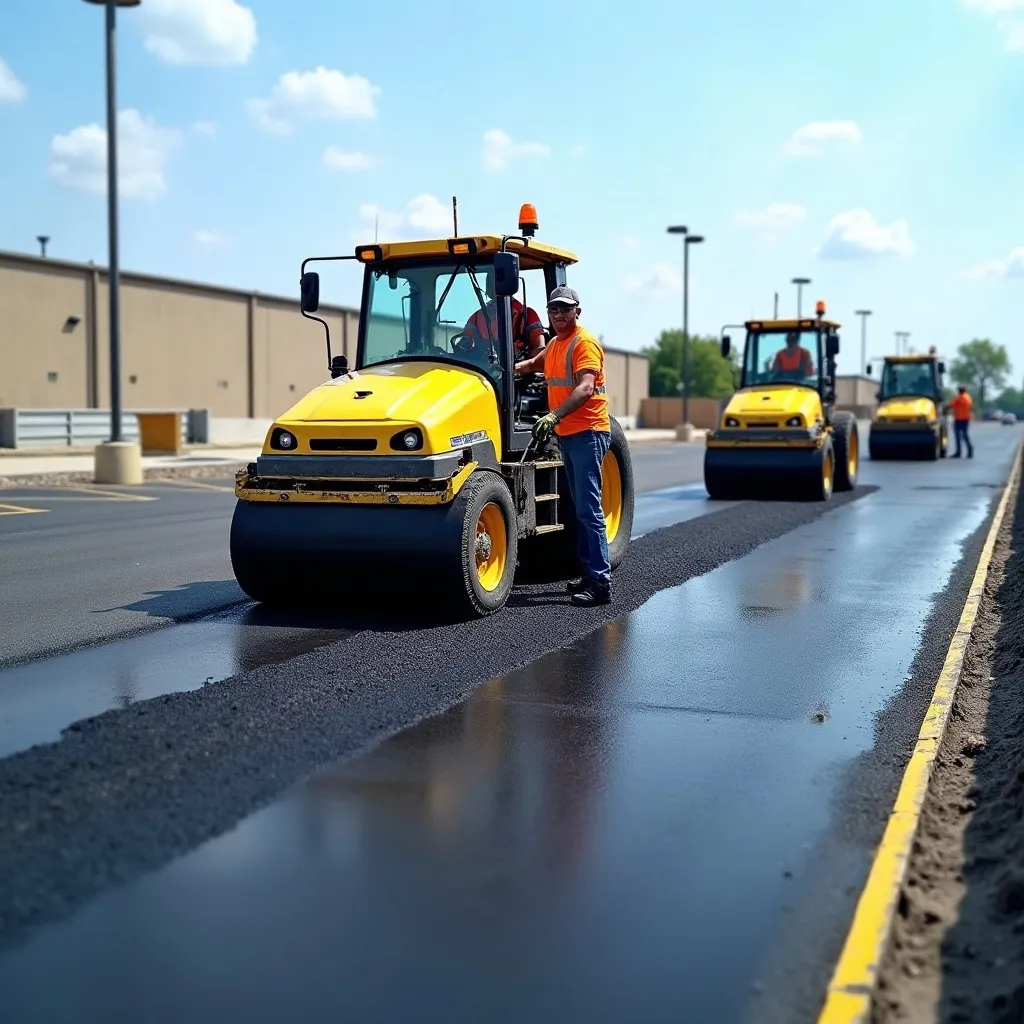
Steps to Hire an Experienced Paving Contractor
When appointing an veteran paving contractor, one might wonder what vital aspects to consider. First, it is important to check the contractor's credentials, including certifications and insurance, to verify compliance with local requirements and security against liabilities. Next, studying patron reviews and previous job portfolios can provide insight into the contractor's level of quality and consistency.
Additionally, getting multiple proposals can help assess the standard price for work and detect any issues, such as unusually low bids. Experience in specific paving types, such as residential driveways or commercial parking lots, is another crucial aspect, as specialized knowledge often results in better results. Effective communication are also necessary; a contractor should be responsive and open to discussing questions or concerns. Finally, reviewing guarantees or guarantees offered can indicate the contractor’s trust in their work and commitment to customer satisfaction.
Top Picks for Your Driveway
When choosing selections for a driveway, homeowners commonly weigh the advantages and disadvantages of asphalt and concrete. Each option presents unique characteristics that can affect durability and cost. Additionally, gravel offers a more cost-effective alternative but comes with its own set of benefits and drawbacks.
Asphalt vs. Concrete Choices
Which material offers the best mix of durability and cost for driveway areas: asphalt or concrete? Asphalt is regularly chosen for its cheaper starting cost and speedier installation. It usually offers a even surface that can resist harsh climate conditions, turning it a useful selection for many home owners. Yet, asphalt requires frequent maintenance, including protective sealing and resurfacing, to prolong its lifespan.
On the other hand, concrete is renowned for its longevity and minimal upkeep needs. With proper installation, concrete driveways can last over 30 years. Additionally, concrete offers a range of visual choices, such as ornamental surfaces. While the upfront cost is greater, the reduced maintenance needs can render it a cost-effective solution over time. Ultimately, the choice depends on individual budget and preferences.
Gravel Merits and Detriments
While tar and concrete are often the usual materials for driveways, gravel presents a valid option with its unique of benefits and downsides. One important benefit of gravel is its cost-effectiveness; it generally demands a smaller initial expense compared to asphalt and concrete. Additionally, gravel ensures superior drainage, assisting to minimize water pooling risks. However, it also has its own challenges. Gravel driveways often require regular maintenance such as periodic replenishment and raking to keep the surface uniform. Furthermore, they can present concerns with context information erosion and may be less durable under high traffic conditions. Ultimately, the choice to select gravel should consider both its affordability and the homeowner’s willingness to commit to ongoing upkeep.
Evaluating Client Feedback: What to Look For
What methods can potential clients use to discern the quality of a paving contractor through customer reviews? Reviewing these reviews requires consideration to specific factors. First, clients should look for overall ratings; a high average score often indicates satisfactory service. Next, the count of reviews is vital; a larger body of feedback provides a more reliable picture of the contractor's performance.
Clients should also examine the details of individual reviews. Positive input about timeliness, dialogue, and work quality is fundamental. Additionally, consistent patterns in negative reviews, such as unsatisfactory assistance or project delays, can point to prospective challenges.
Additionally, responses from the contractor to reviews demonstrate their expertise and commitment to client contentment. Ultimately, evaluate reviews from various sources to gain a well-rounded perspective. By concentrating on these factors, potential customers can make informed choices concerning their paving contractor.
Important Queries to Present to Your Paving Contractor
When evaluating a road construction specialist, raising the right questions can powerfully affect the project's outcome. It is critical to ask regarding the professional history and the nature of projects they have executed. Recognizing their approach to material choices and technical methods can also enhance understanding of the standard of performance to expect.
Prospective customers should ask about licensing and insurance to guarantee the contractor meets legal requirements and is safeguarded from potential liabilities. Additionally, discussing the project completion timeline and any possible postponements is essential.
Seeking warranties on both supplies and workmanship can protect your investment. Finally, it's beneficial to request for references or samples of previous projects to evaluate the professional's trustworthiness and craftsmanship. These questions not only establish expectations but also create a basis for effective dialogue throughout the project.
Paving Rates: What to Plan For
Understanding paving costs is critical for homeowners reviewing a project. Diverse factors, such as material options and pricing, greatly shape the aggregate cost. Likewise, considering sustained advantages can facilitate in establishing informed decisions about pavement projects.
Considerations Influencing Surface Costs
Many factors influence paving expenses, making it necessary for property owners to grasp the variables at play. One notable aspect is the size of the area to be paved; larger spaces typically incur higher costs due to increased material and labor requirements. Additionally, site conditions, such as soil quality and drainage, can affect pricing, as extensive preparation may be needed. Local labor rates also play an important role; areas with a higher cost of living often have elevated labor expenses. Moreover, the complexity of the project, including intricate designs or existing structures, can lead to added costs. Finally, seasonal factors may influence pricing, as contractors often adjust rates based on demand fluctuations throughout the year.
Material Range and Price
Several paving options greatly impact paving costs, with each offering unique benefits and different price points. Asphalt, known for its economic efficiency and fast installation, typically ranges from $3 to $5 per square foot. Concrete, while more durable, can cost between $4 and $8 per square foot, based upon finish and thickness. Pavers, made from brick or stone, offer visual beauty but typically cost from $10 to $20 per square foot, including installation. Additionally, drainage-friendly paving choices, which allow for water runoff, may cost more due to their innovative materials and installation techniques. Homeowners should consider these options carefully, comparing upfront investment with desired lifespan and overall performance for their driveways and roads.
Importance of Guarantees and Aftercare Services
When selecting a dependable asphalt contractor, the importance of warranties and aftercare services should not be ignored. Warranties function as a protection for clients, guaranteeing that any defects in materials or labor are resolved without additional costs. A reputable contractor usually provides an extensive warranty that reflects their faith in the quality of their work.
Beyond warranties, aftercare services constitute an vital role in maintaining the longevity of concrete installations. Consistent maintenance, such as seal coating and crack filling, can circumvent more extensive damage and expensive maintenance down the line. A contractor that delivers ongoing support demonstrates a pledge toward customer satisfaction and the durability of their work.
Thus, protection plans and ongoing care not only enhance the significance of the initial investment but also guarantee tranquility for property owners and enterprises alike. A skilled professional stresses these aspects, nurturing rapport and enduring ties with accounts.
Often Raised Questions
What is the standard timeframe for Completing the Paving Process?
The asphalt laying procedure usually requires one to three days, depending on the scope and intricacy of the project. Elements like climatic conditions, site preparation, and material selection can also affect the total duration significantly.
How Do Weather Elements Affect Paving Work?
Climate factors greatly influence paving work. Rain, snow, and extreme temperatures can hinder projects, while humidity levels impact the curing process. Ideal conditions, typically dry and mild, provide better adhesion and durability of the pavement.
What Steps Should I Implement to Care for My New Driveway?
Preserving a new driveway requires frequent washing, sealing every few years, and repairing cracks quickly. Avoiding heavy loads and using appropriate snow removal techniques will also extend its durability and preserve its appearance.
What green pavement solutions are on the market?
Indeed, many green surfacing solutions can be found, encompassing porous pavers, reused asphalt materials, and concrete substitutes engineered from eco-conscious resources. These selections help decrease environmental burden while delivering functional and sturdy finishes for walkways and parking areas.
Do I Need a Permit for Pavement Undertakings?
Frequently permits are required for paving projects, in accordance with local guidelines. Homeowners should consult their municipal planning department to determine specific requirements, ensuring adherence and circumventing potential costs or construction interruptions during construction.
Report this page